
Case study · Web3 · Wallet
Unified cross‑chain wallet
Intent-centric cross-chain UX
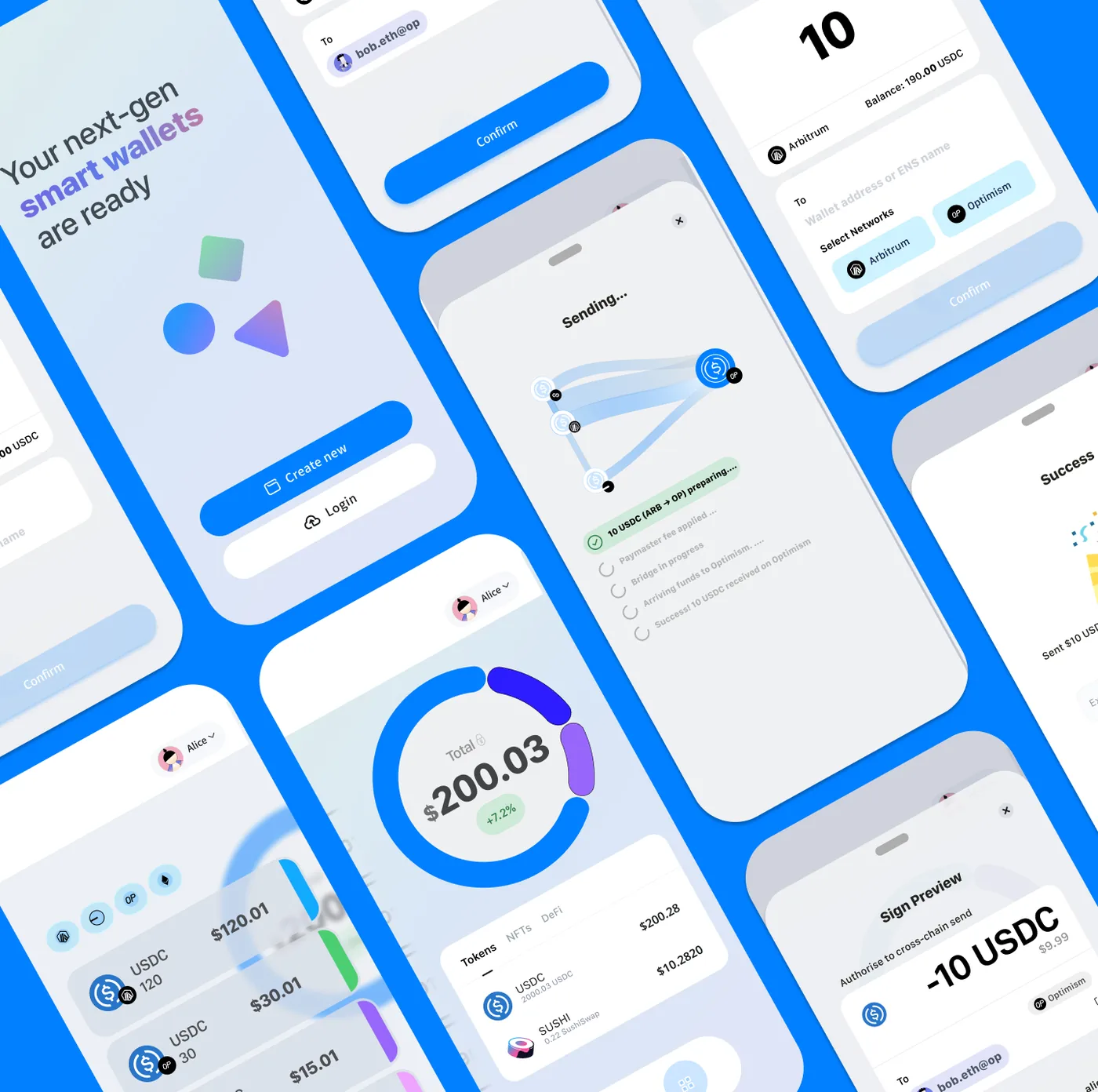
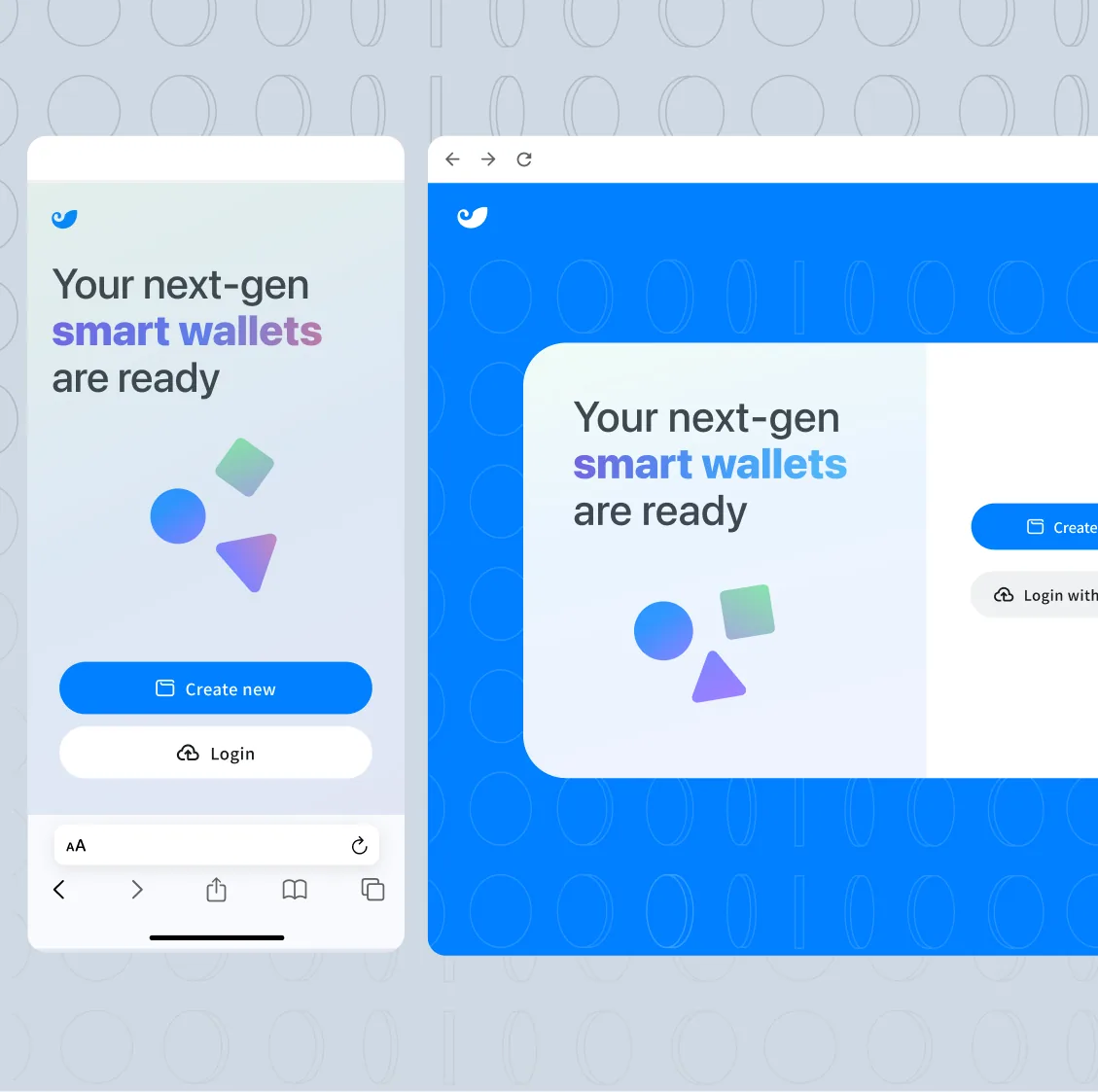
How a cross-chain transaction can feel simple and natural: turning complex infrastructure, like the Ethereum Interop Layer, into an intuitive wallet experience. I identified common user pain points, designed a cross-chain send flow across L2 rollups, unified balances, and applied intent-based design principles, so users can focus on what they want to do, not how the chains work.
- RoleWeb3 product design · concept storytelling
- PlatformResponsive web & mobile
- TimeAbout 5 months
01
Discovery
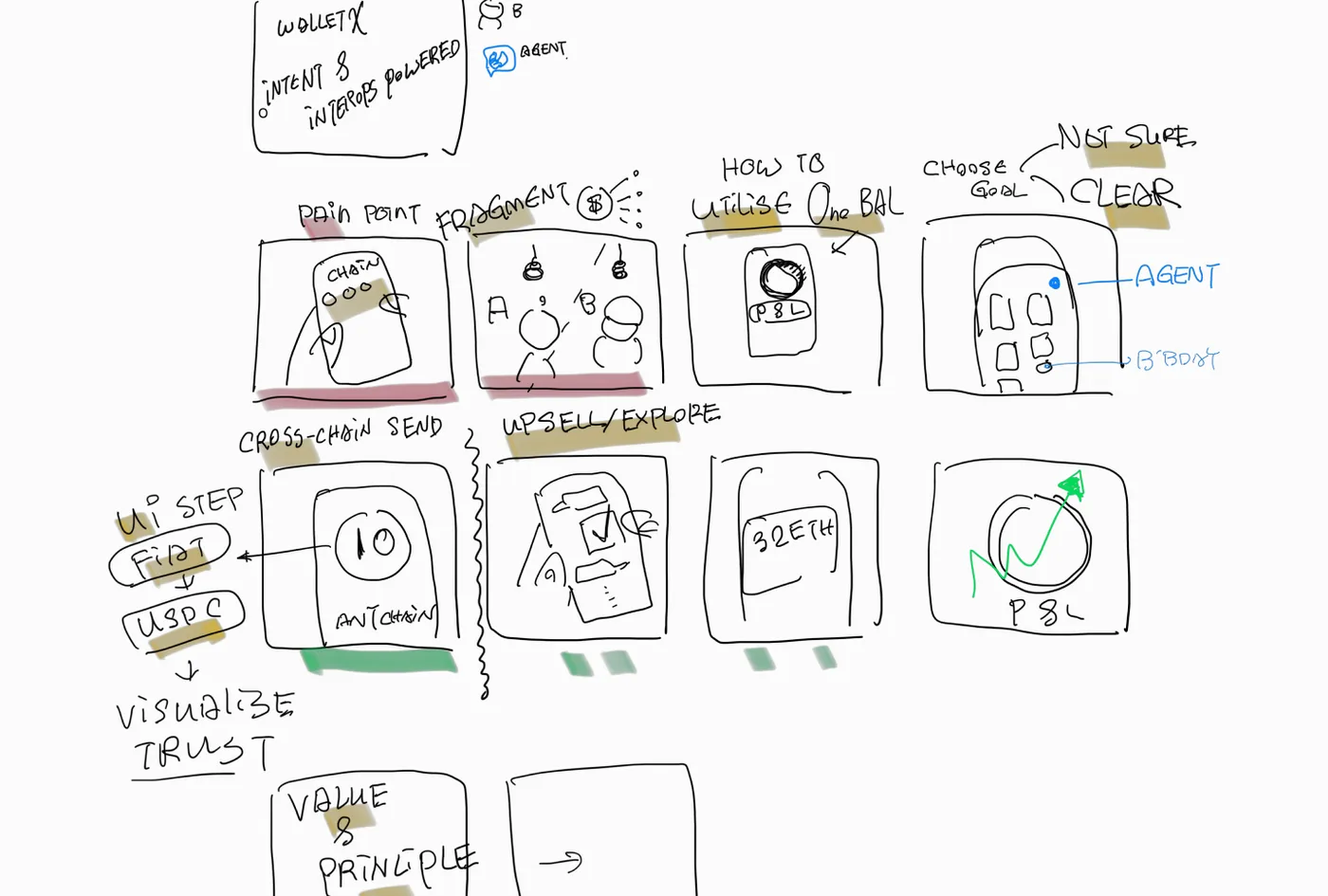
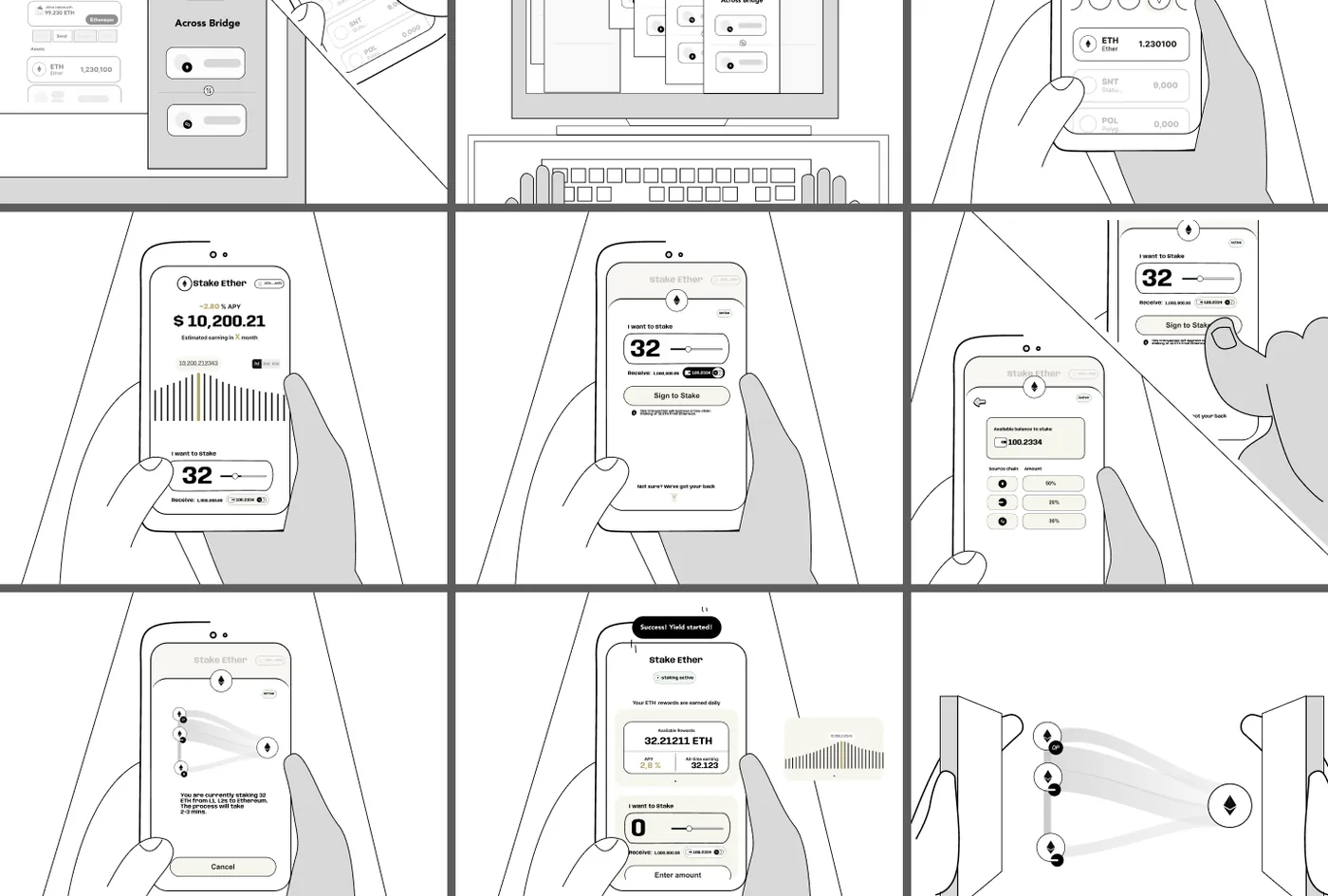

The cross-chain transaction was technically complex and hard to explain to product and stakeholder teams. So I used storyboards and early concepts to show user intent, simplify flows, and align everyone on goals.
What I set out to do:
- Mapped existing wallet UX and pain points, highlighting fragmentation and trust issues.
- Defined a UX brief with behaviour goals, assumptions and success metrics.
- Created concept storyboards for intent-based actions.
- Iterated on flows, mental models and UI patterns through design explorations.
- Used AI prototypes to quickly validate ideas and system behaviours.
- Validated prototypes with internal testing, measuring learnability to track improvements.
- Collaborated with tech and product teams to make sure it was feasible and aligned.
02
Design brief
The cross-chain ecosystem creates friction for both teams and users. L2 rollups unlock scalability, but they also fragment the experience. Users face confusing flows, multiple approvals, and uncertainty from relying on third-party bridges.
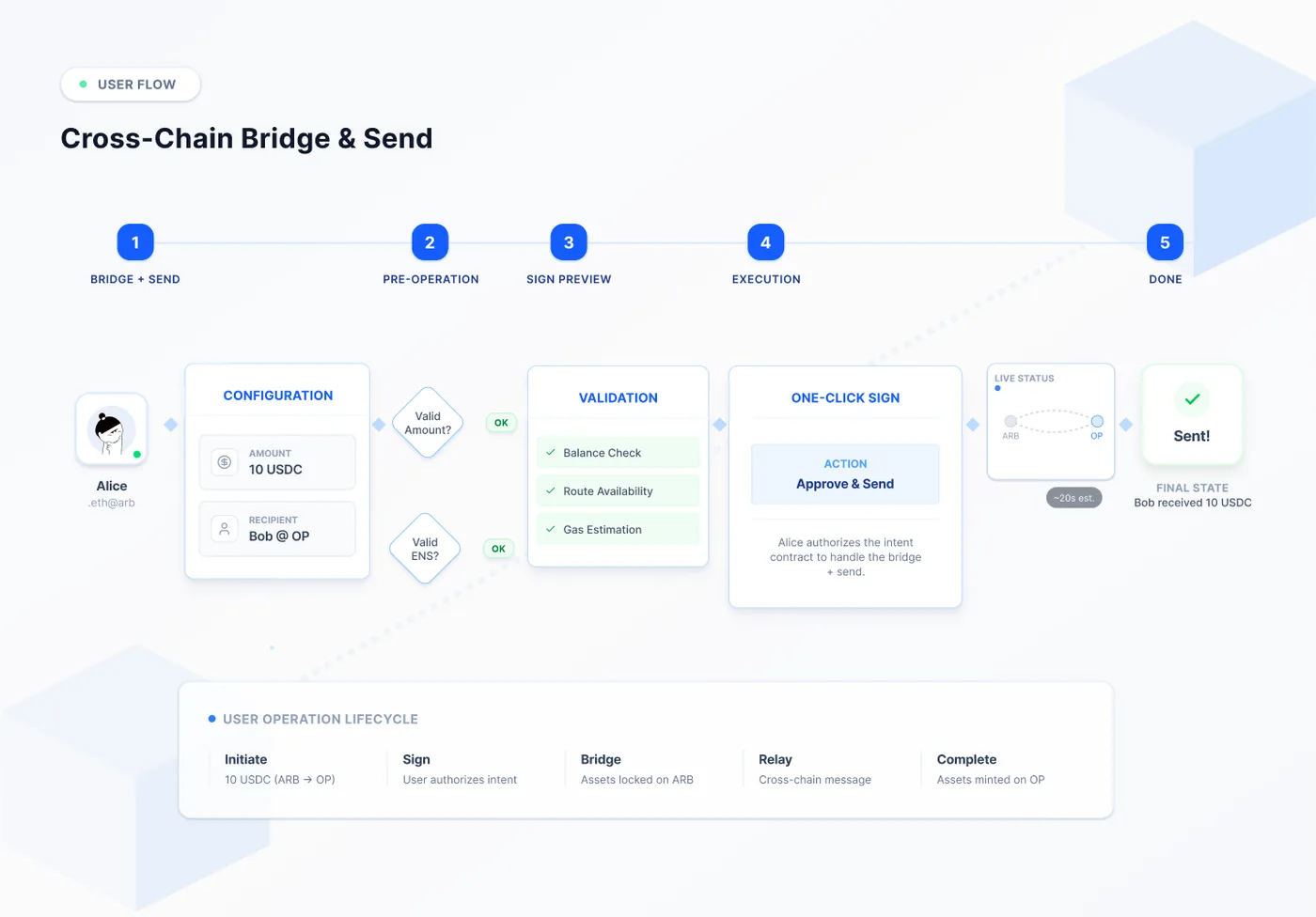
HypothesisHow might we replace manual, multi-step chain management with a system that interprets high-level intents, like "swap across chains", and handles the rest, so users move from fragmented workflows to seamless, single-network interactions?
Success metrics, agreed with stakeholders.
03
Solution
Users think in terms of intent, sending or holding assets, not choosing chains.
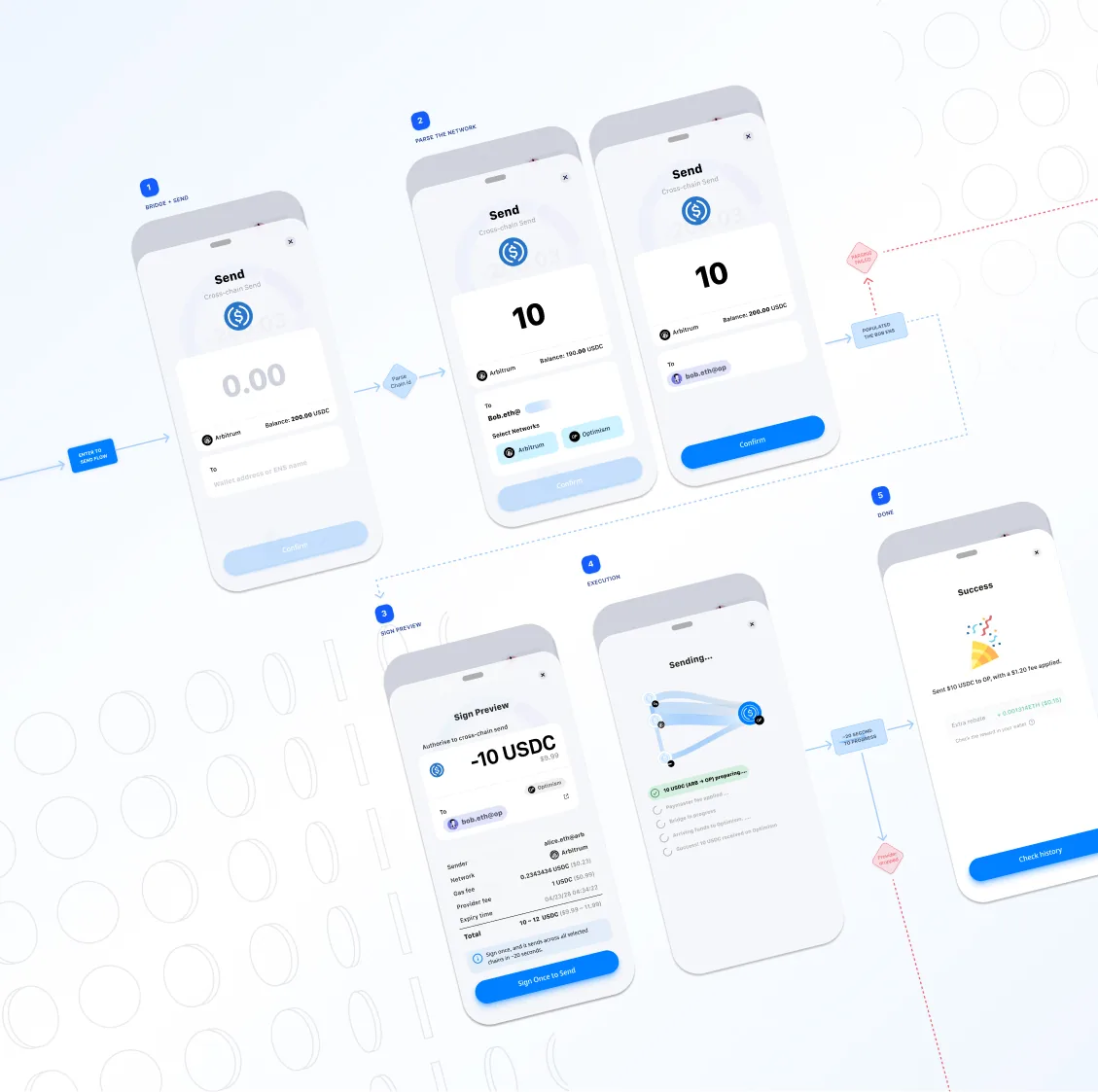
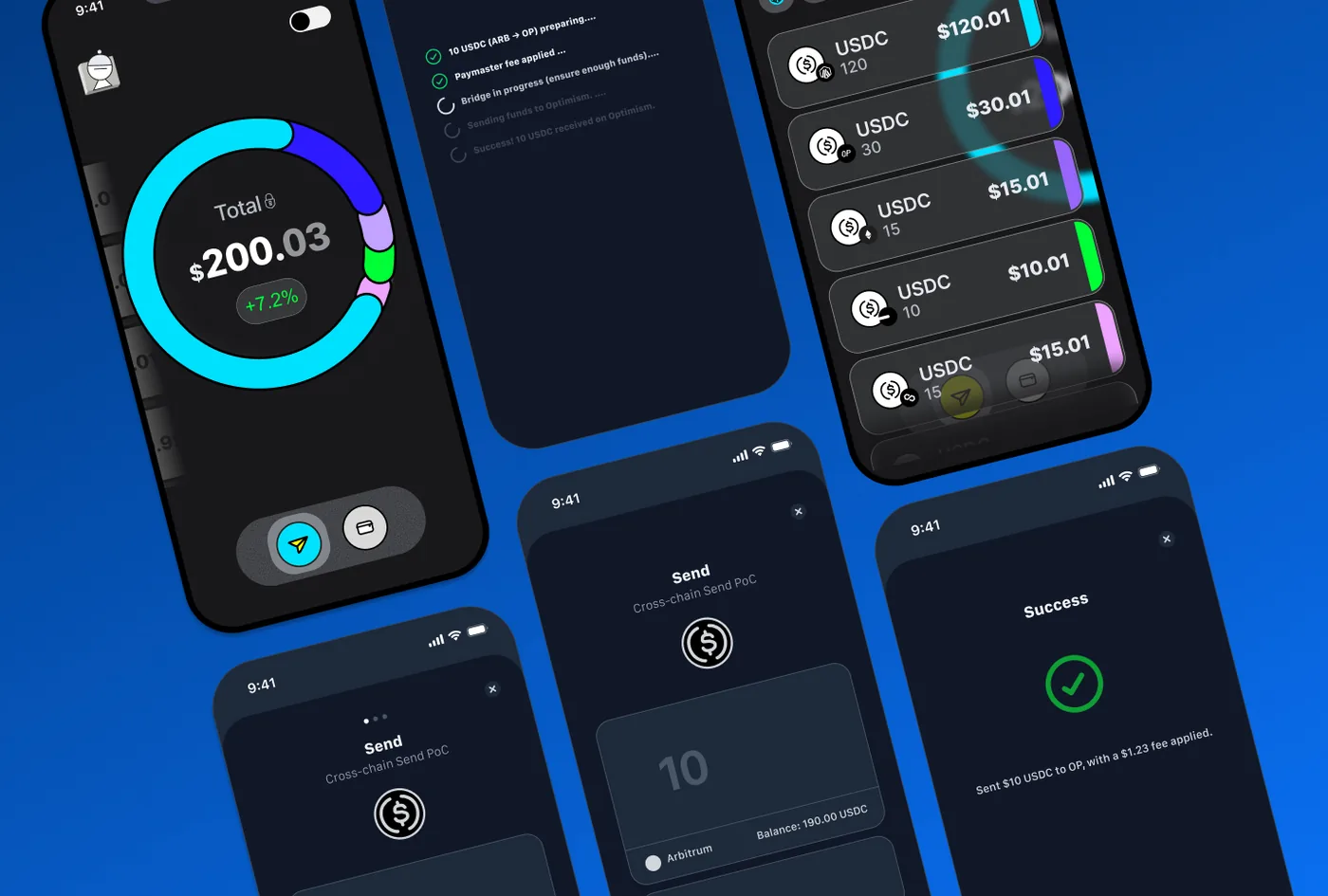
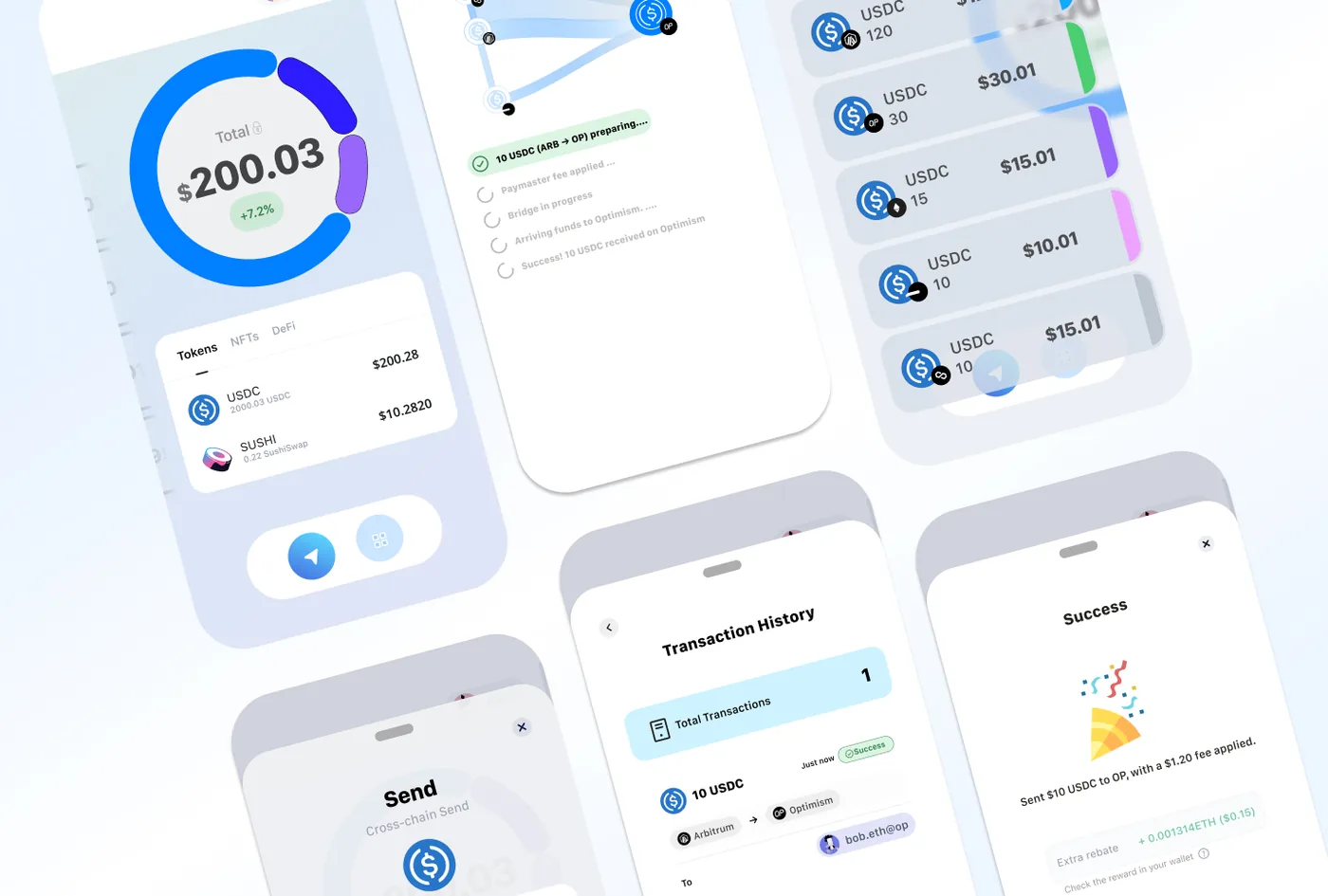
Through research and exploration, I found that current wallets force early chain decisions, which creates confusion and fragmented balances. So I explored intent-driven cross-chain flows and balance-first information structures. Using USDC as a constraint, I storyboarded 1-to-1 and N-to-1 scenarios to test how the system could hide complexity while keeping transparency and user control.
- Intent-firstUsers send assets by goal; routing is handled automatically.
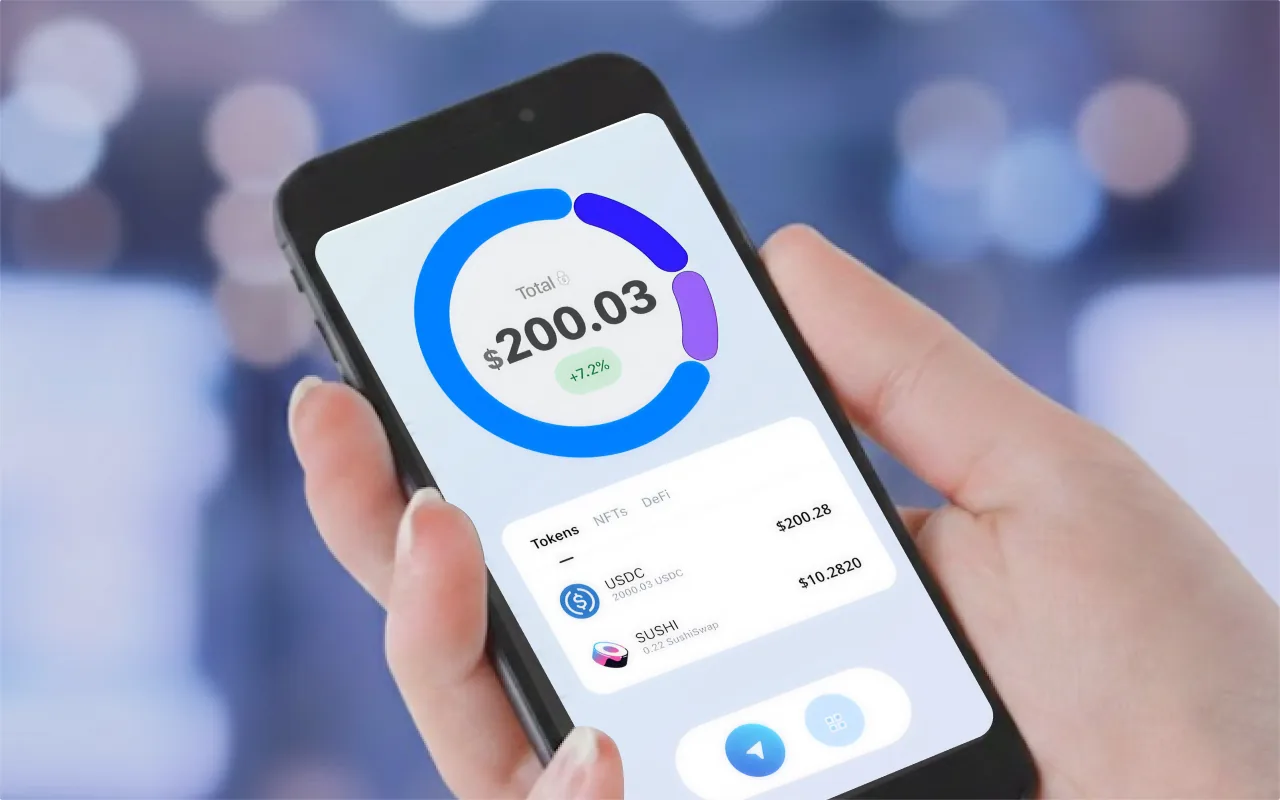
- Unified balancesSee all assets as one balance.
- Consistent transfersSupports 1→1 and N→1 flows using USDC.
- Fees when neededRouting and fees show only when they matter.
- No chain knowledgeNo chain or bridge knowledge needed to act with confidence.
- Simple, self-custodySimple for non-technical users, fully non-custodial by design.
Sending…Sent
- 10 USDC (ARB → OP) preparing
- Fee covered by paymaster
- Bridging
- Arriving on Optimism
04
Design system
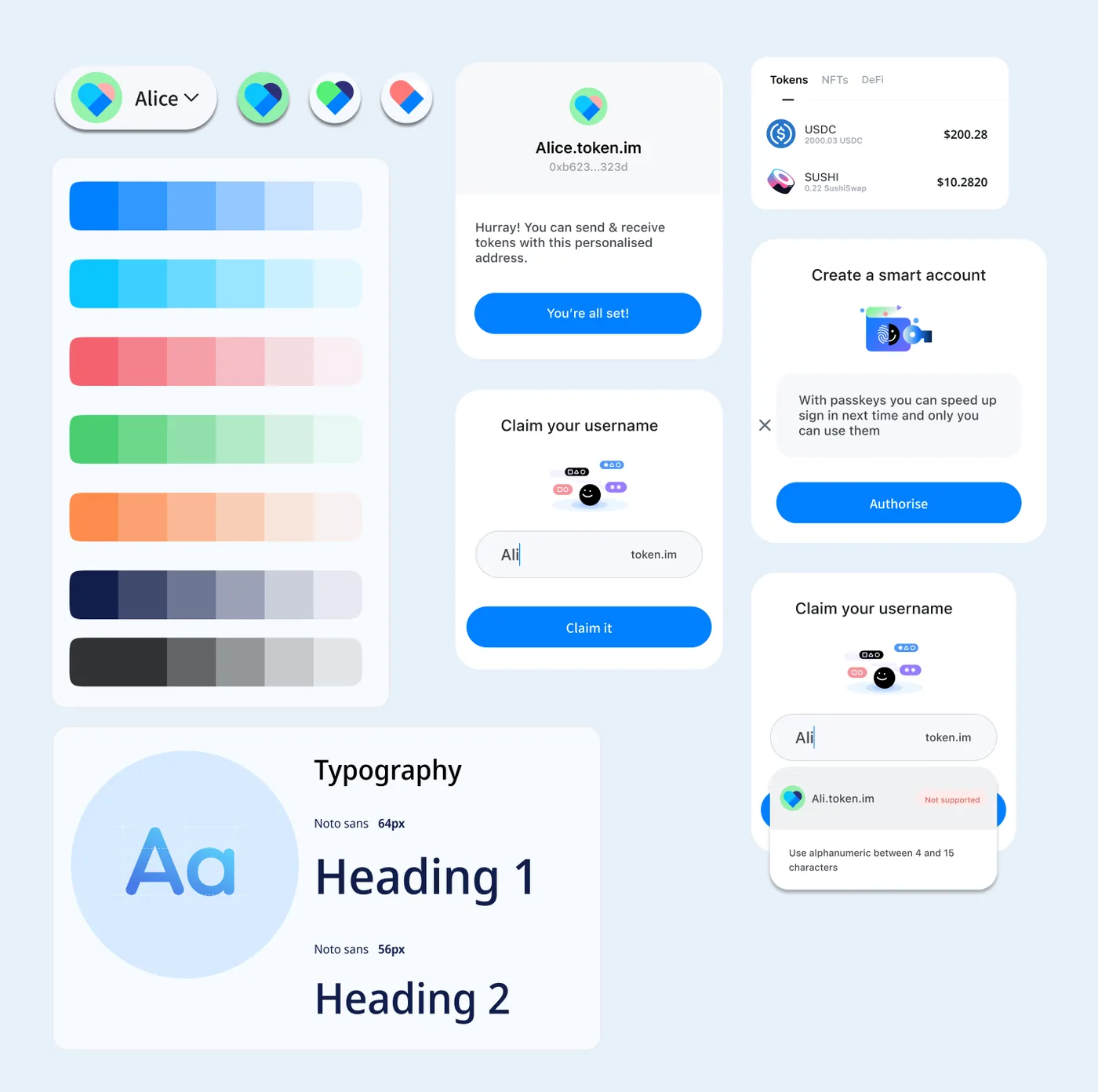
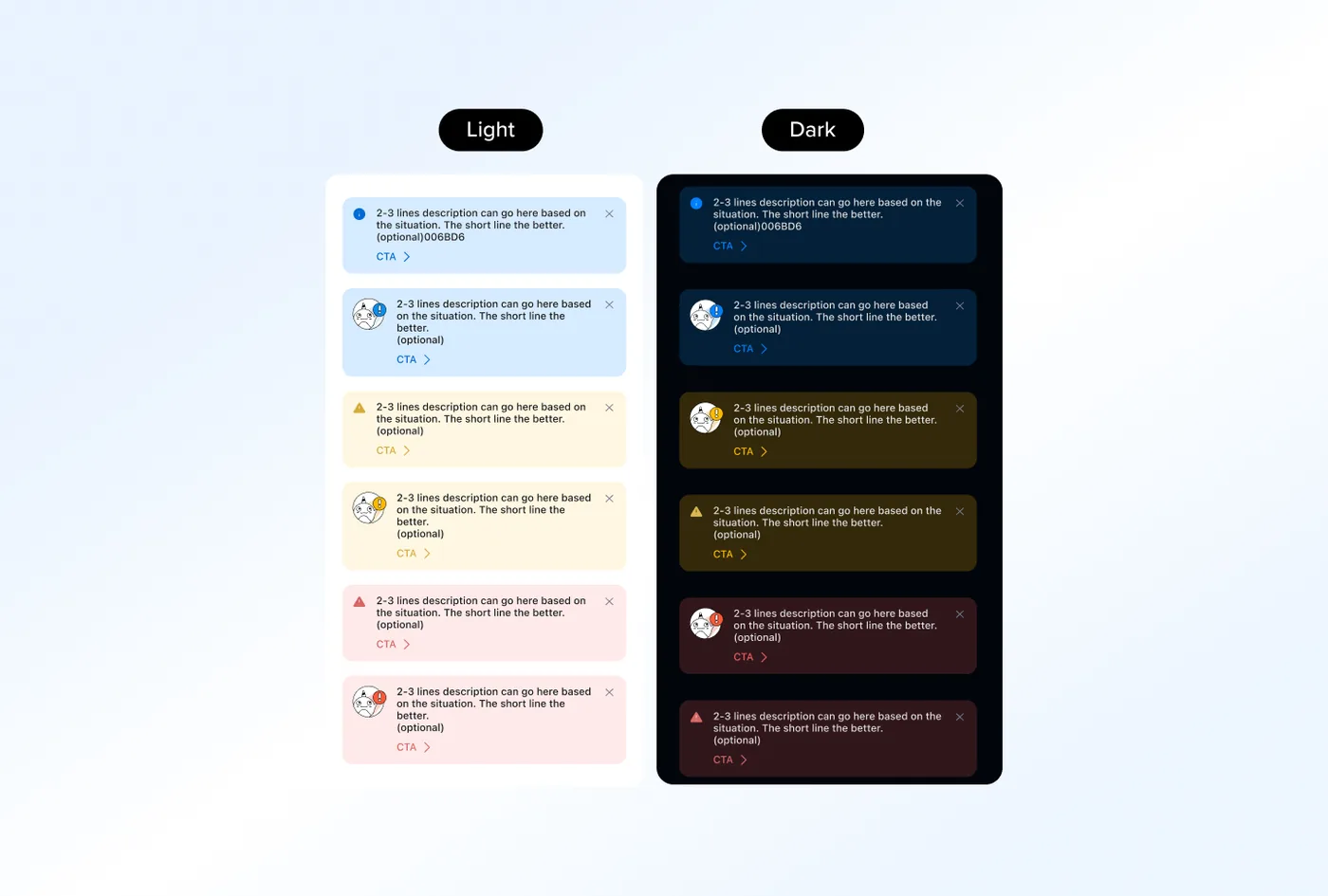
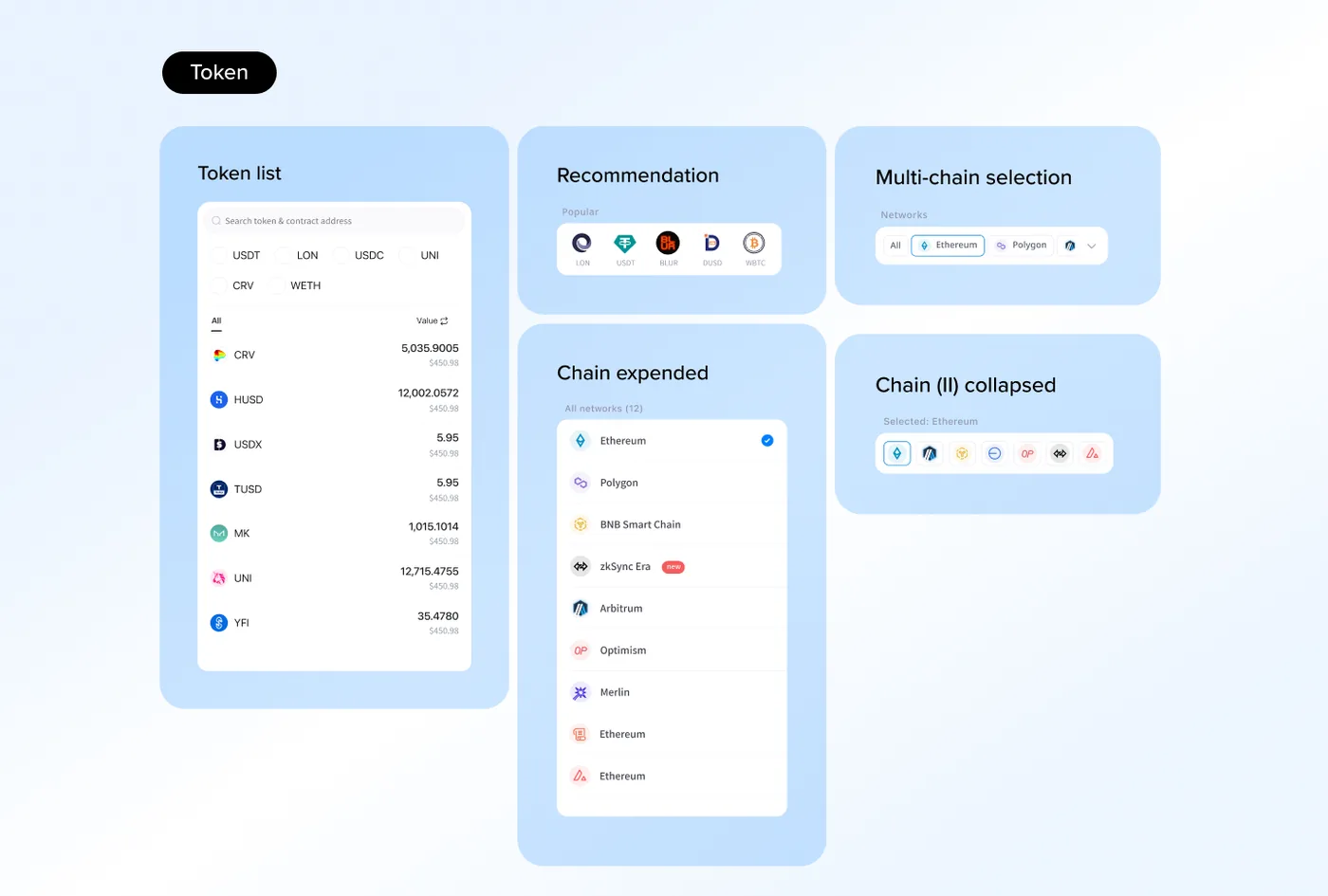
Navy ink, one blue for action, soft shapes. A light and dark system so every flow stays consistent across web and mobile.
Live specimen below. Try the theme switch and tap a chain.
Colour
Shape
Type · size jumps, not steps
Components
USDC2,000.03 USDC
$200.28USDT120 USDT
$120.01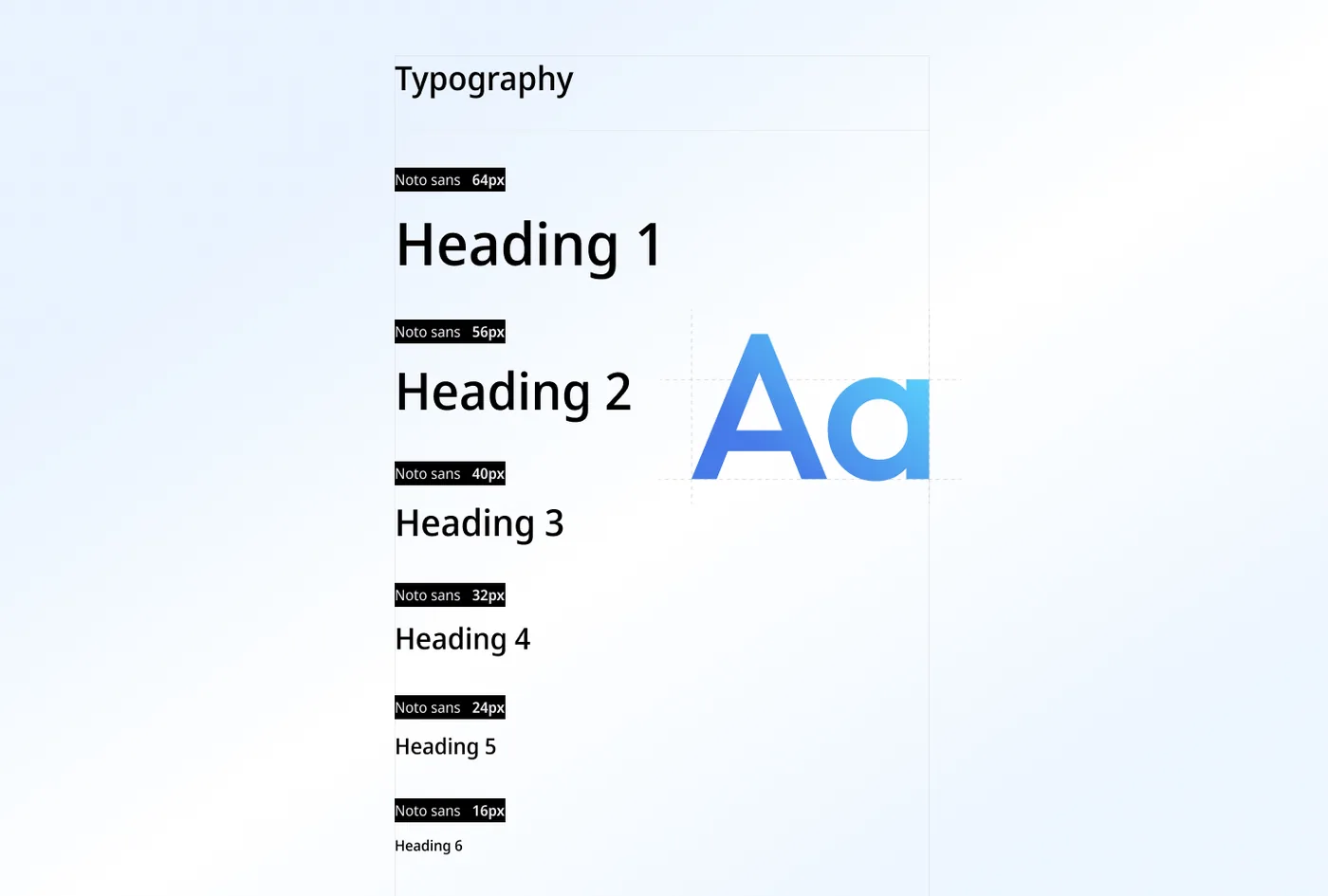
05
Impact
Reframing complex blockchain mechanics as intent-driven stories turned technical complexity into a clear, user-centred product direction.
The narrative approach built shared understanding across design, product and engineering, and helped teams align on real user problems and roadmap opportunities. With proofs of concept, stakeholders could see how the solution fits into the wallet ecosystem. This reduced ambiguity, sped up decisions, and set UX principles that guide cross-functional work.
Get in touch
Building something in AI × crypto and need a designer who ships? Let's find the shortest path from idea to product.
Let's talk!